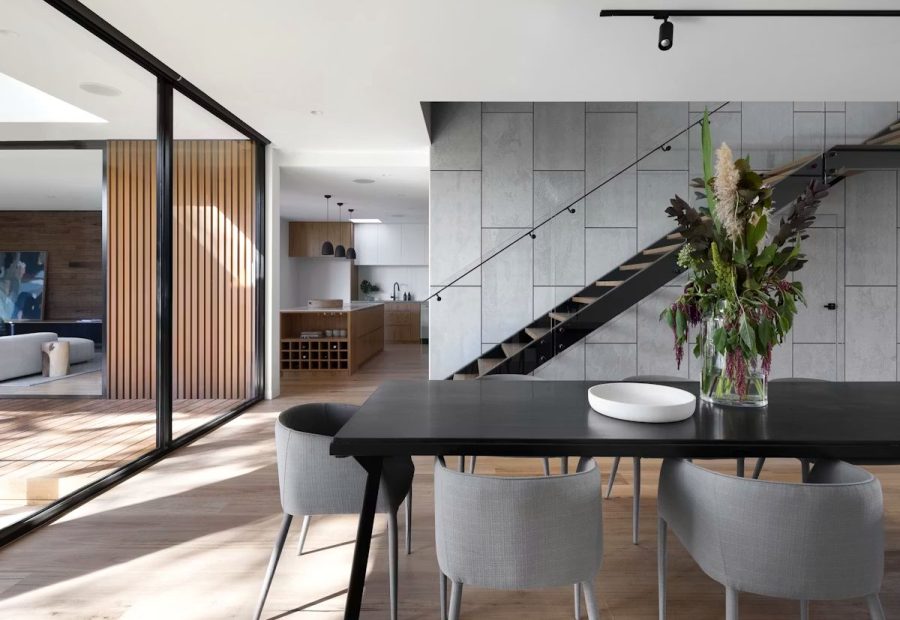
Trim Profile System
Edge and transition profiles selected to finish panel joints, corners, material changes, and installation boundaries cleanly.
View Details
Cabinet fronts, matte boards, edge profiles, transitions, and finish-matched joinery components. Use the product list to compare application notes, surface direction, specification assumptions, and suitable inquiry details.
Edge and transition profiles selected to finish panel joints, corners, material changes, and installation boundaries cleanly.
View Details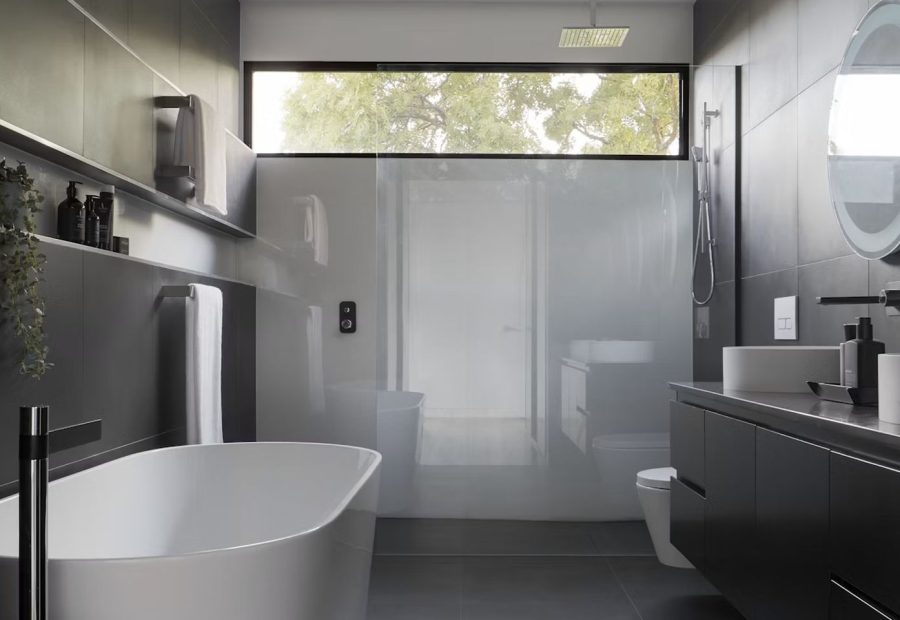
Ribbed interior panel for cabinet fronts, wall features, display counters, and layered room compositions.
View Details
Low-sheen cabinet board for wardrobes, storage walls, kitchen fronts, and fitted furniture requiring stable finish consistency.
View DetailsUse the category list to narrow product families, then confirm size, finish, installation area, packing assumptions, and destination requirements.
Build a compact comparison board using room tone, touch, and installation context.
Confirm dimensions, finish code, application limits, and packaging references.
Align quantity, alternatives, delivery terms, and destination information.
Keep samples, documents, revisions, and shipment notes in one visible record.
Clear category, room type, quantity, finish direction, market, and timeline information makes sample and quotation discussion faster and more useful.
Start with the product category or room type, approximate quantity, preferred finish direction, destination market, target timing, and whether samples, specifications, or alternatives are required.
Yes. Surfaces, panels, bathroom products, kitchen fittings, hardware, trims, and accessories can be discussed as one room-based or project-based supply list.
Private-label options depend on the product, factory, quantity, packaging structure, artwork, compliance requirements, and production schedule. These details are reviewed before confirmation.
The review can include supplier capability, approved samples, finish references, product specifications, packing assumptions, production checkpoints, and pre-shipment inspection requirements.
Inspection scope is confirmed by project. It may include quantity checks, visual references, product codes, dimensions, packing condition, accessories, labels, and documented exceptions.
Timing depends on product category, finish customization, sample availability, quantity, factory schedule, required documents, and destination planning. The timeline is confirmed after the brief is reviewed.
Yes. Approved samples, product codes, finish references, prior quantities, alternatives, packing notes, and revision history can be kept as a repeat-order reference.
Share the application room, product type, quantity, finish direction, delivery market, and project timing. The material desk will prepare a focused follow-up.